If you’ve ever spent hours crafting a sticker chart, researching "positive parenting" rewards, or setting up a new household routine only to have it fizzle out by Tuesday afternoon, you are not alone. Parenting is one of the most rewarding journeys we take, but it can also be incredibly taxing when we feel like our best efforts aren’t moving the needle.
At Milestones Child Psychology, we see so many dedicated parents who are doing everything "right," yet the harmony at home remains just out of reach. Often, the missing piece isn't more effort, it’s a slight shift in strategy. Let’s look at how we can breathe new life into your home behavior plan with compassion and clarity.
1. Embracing the Power of Consistency
Behavioral change thrives on predictability. When rules or rewards shift depending on how tired we are or which caregiver is home, children can feel a bit lost. By aligning expectations across all caregivers in the home, you create a safe, stable environment where your child knows exactly what to expect.
2. Defining Success with Specificity
Vague goals like "be good" or "listen better" are hard for a child to visualize. Instead, try painting a clear picture of what success looks like. Phrases like "keeping feet on the floor" or "putting toys in the blue bin" give your child a concrete target. When the goal is clear, the path to achieving it feels much more manageable.

3. Focusing on One Milestone at a Time
It’s natural to want to improve everything at once, but focusing on too many changes can overwhelm a child’s developing system. We suggest picking one or two high-impact behaviors to focus on first. Once those become second nature, you can celebrate that growth and gently move on to the next goal.
4. Prioritizing Positive Reinforcement
While it’s easy to notice when things go wrong, there is magic in "catching them being good." Research from institutions like Mayo Clinic suggests that positive reinforcement is a powerful tool for building lasting habits. Whether it’s a high-five, extra screen time, or a simple "I saw how hard you worked on that," focusing on the wins builds your child’s confidence.
5. Staying Curious About the "Why"
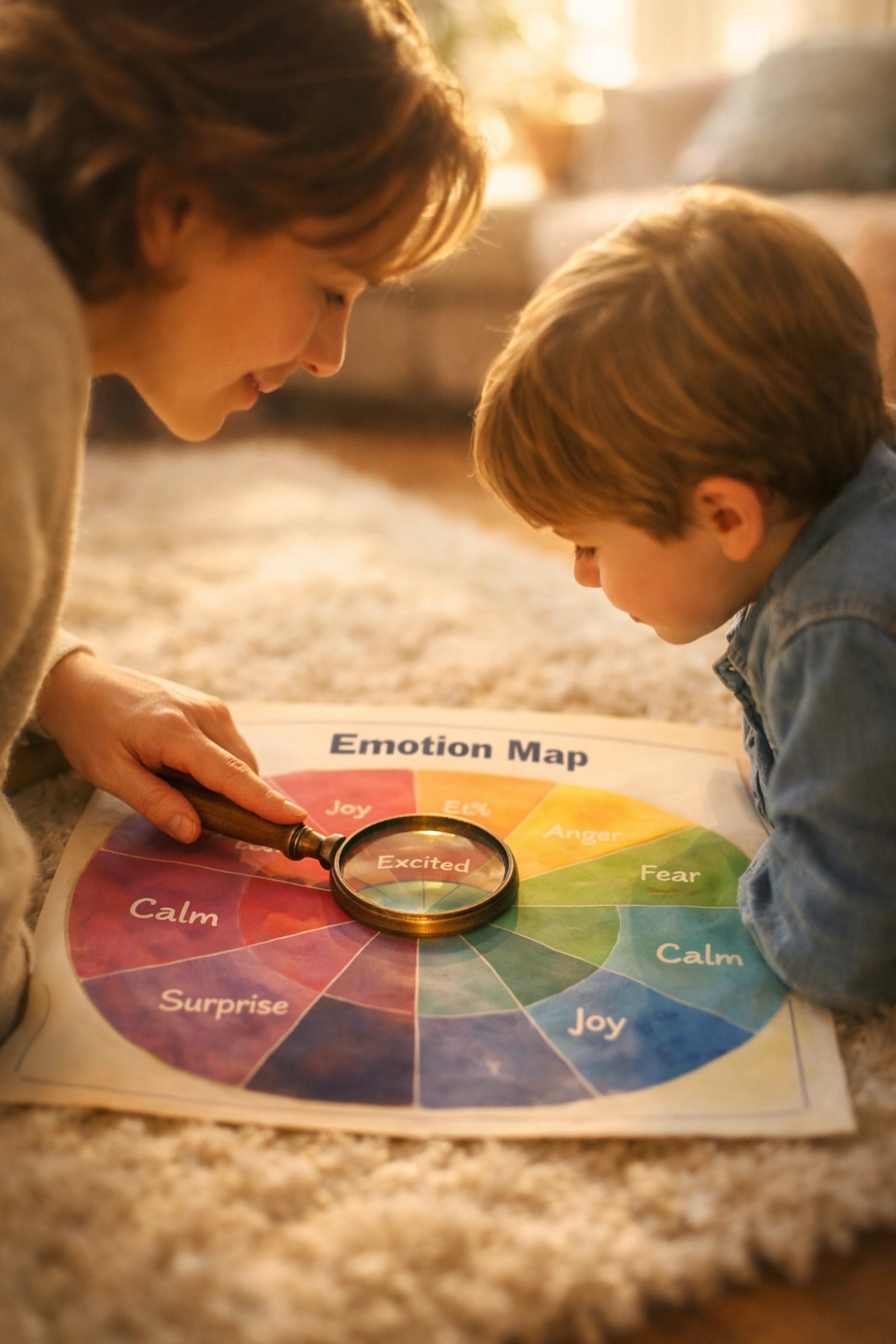
Every behavior is a form of communication. When a plan isn't working, it’s often because there’s an underlying need or a "trigger" that hasn't been addressed yet. By staying curious and observing what happens right before a challenging moment, we can proactively support our children before they feel overwhelmed.
6. Building a Rhythmic Routine
Children find great comfort in rhythm. Establishing a consistent daily flow, especially around meals, homework, and bedtime, reduces the "mental load" for your child. Visual schedules can be a wonderful way to foster independence, helping them see what’s coming next without needing a constant reminder.
7. Setting Attainable, Joyful Goals
We want our kids to feel the rush of success! If a goal is too high, a child might give up before they even start. Aim for "goldilocks" goals, not too easy, not too hard. Experts often suggest aiming for a level where the child can succeed about 80% of the time. This keeps their motivation high and their spirit bright.
8. Celebrating Small Steps and Adjusting the Sails
A behavior plan shouldn't be set in stone. It’s a living document that grows with your family. Regularly checking in on progress allows you to see what’s working and what might need a little tweak. At Milestones, our parent coaching and consultation services focus on this exact collaborative process, helping you pivot with confidence.

9. Practicing Patience and Self-Compassion
Growth is rarely a straight line. There will be days of great progress and days that feel like a step back. Remember to give yourself and your child grace. Behavioral change is a marathon, not a sprint, and maintaining a warm, supportive connection is more important than a "perfect" day on the chart.
10. Cultivating a Holistic Home Environment
A behavior plan works best when the whole environment supports well-being. This includes making time for movement, ensuring plenty of rest, and prioritizing moments of pure, unstructured connection. When children feel deeply connected and physically regulated, they are much better equipped to meet the expectations of a behavior plan.
We Are Here to Support You
If you’re feeling frustrated, please know that you don't have to navigate this alone. At Milestones Child Psychology, we are passionate about partnering with families to find practical, compassionate solutions that work for your unique dynamic. Through our expert coaching, we strive to empower you with the tools and confidence needed to help your child flourish.
If you’re ready to turn frustration into forward momentum, we invite you to reach out and see how we can support your journey toward a more peaceful home.
Leave a Reply